Travelling with children and sleep can feel challenging, especially when routines change during holidays. Whether you’re planning a weekend away in the UK or a family holiday abroad, there are gentle ways to help your baby, toddler or preschooler sleep well while still enjoying your trip.
However, for many parents, the excitement of travelling is mixed with one important worry:
“Will all our hard work with sleep disappear?”
The good news is that it doesn’t have to.

Happy family moments and flexible routines can help children feel secure and sleep well while travelling.
Children are wonderfully adaptable when they feel safe, connected and supported. While travel naturally brings changes to routines, sleeping environments and daily schedules, there are many gentle ways to protect your child’s sleep without sacrificing the fun of your holiday.
As both a paediatric nurse and gentle sleep consultant, I often reassure families that perfection isn’t the goal. Holidays are about making memories, not watching the clock every minute. With a little preparation and realistic expectations, most children settle back into their normal routines very quickly.
In this guide, you’ll discover practical, evidence-based strategies to help your baby, toddler or preschooler sleep as well as possible while travelling, along with advice supported by UK guidance and current sleep research.
Table of Contents
- Why travel affects children’s sleep
- Should you keep the same routine on holiday?
- Preparing before you travel
- Choosing a sleep-friendly environment
- Maintaining healthy sleep habits away from home
- Managing naps while travelling
- Time zone changes and jet lag
- Safe sleep while travelling
- Returning home after your holiday
- Frequently Asked Questions
Travelling with Children and Sleep: Why Holidays Affect Sleep?
Children thrive on predictability.
Regular routines help their internal body clock, known as the circadian rhythm, recognise when it is time to sleep and when it is time to wake. Research shows that consistent bedtime routines are associated with better sleep quality, longer sleep duration and fewer bedtime struggles in young children.
Travelling introduces many changes at once:
- Different sleeping environments
- New sounds and smells
- Excitement and stimulation
- Different meal times
- Changes in daylight exposure
- Busy family schedules
- Missed or shortened naps
- Long journeys
Even adults often sleep differently during holidays, so it’s completely understandable that babies and young children may take a little time to adjust.
This doesn’t mean sleep has been “ruined”. It simply means your child is responding normally to a new environment.
Is It Important to Keep the Same Routine?

Family holidays can be exciting and memorable while still supporting your child’s healthy sleep routine.
One of the most common questions I hear is:
“Do I need to stick to my routine exactly?”
The answer is no.
Instead of focusing on exact clock times, try to preserve the rhythm of your routine.
Children often find comfort in familiar sequences rather than precise timings.
For example, your bedtime routine may still include:
- Bath (if practical)
- Pyjamas
- Milk or feed (depending on age)
- Brushing teeth
- Story
- Cuddles
- Sleep
Keeping these familiar steps helps signal to your child’s brain that bedtime is approaching, even if bedtime is a little later than usual.
Research into bedtime routines has consistently found that predictable evening routines support emotional regulation, sleep onset and overall sleep quality in young children.
Think of the routine as your child’s “anchor” while everything else around them changes.
How to Prepare Before Travelling with Children
Preparation often makes the biggest difference. These travelling with children and sleep tips can make long journeys much easier.
Talk About the Holiday (Toddlers and Preschoolers)
If your child is old enough to understand, begin talking positively about your trip several days beforehand.
You could say:
“We’re going on holiday. You’ll sleep in a different bed for a few nights, and Mummy and Daddy will be there with you.”
Simple conversations help reduce anxiety because children know what to expect.
Keep Sleep Well Balanced Before You Travel
It can be tempting to let children stay up late before travelling.
In reality, overtiredness often makes travelling more difficult.
Aim for several days of good quality sleep before your journey whenever possible.
A well-rested child usually copes much better with change.
Pack Familiar Sleep Items
One of the easiest ways to support sleep away from home is by bringing familiar comfort objects.
Depending on your child’s age, these might include:
- Favourite sleeping bag
- Comforter or muslin
- Teddy
- Familiar bedtime books
- White noise machine
- Night light
- Dummy (if used)
- Familiar sleep sack
These familiar smells and textures provide reassurance in an unfamiliar place.
If Possible, Arrange a Separate Sleep Space
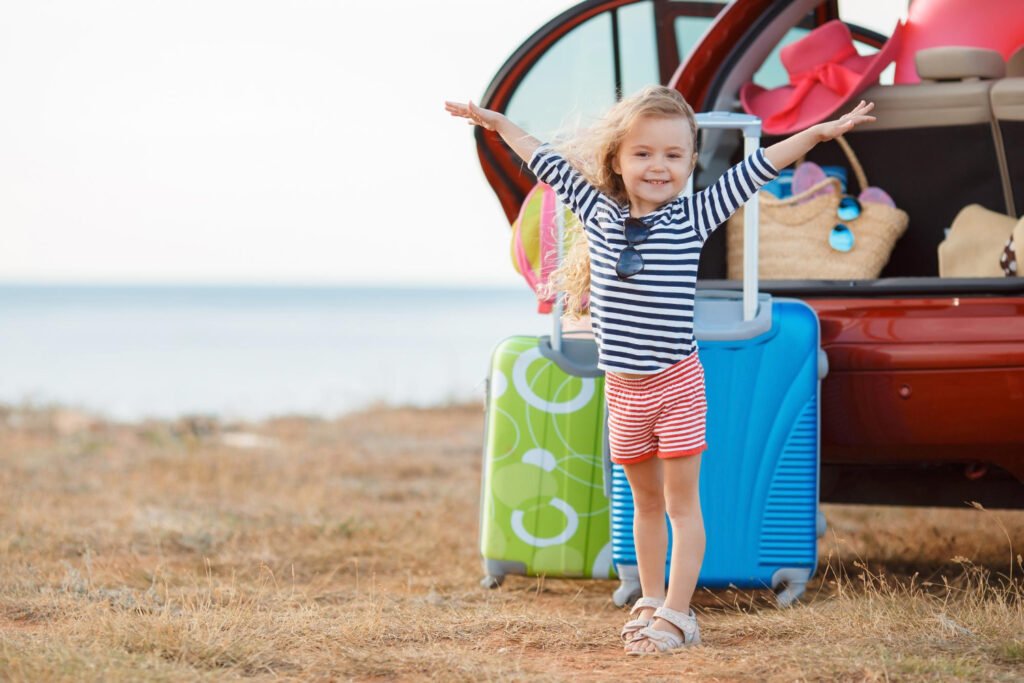
A little planning before you travel can help your child sleep well throughout your family holiday.
Many parents worry that their child won’t sleep unless they share a room.
In reality, babies and toddlers often sleep more soundly when they have a quiet, separate sleeping space.
If your accommodation allows, consider:
- A travel cot in another bedroom
- A portable blackout cover
- Using a bathroom or walk-in wardrobe only if it is well ventilated, safe and suitable for sleeping equipment (never place a baby to sleep in an unsafe space)
- Dividing a room with a travel blackout curtain if appropriate
Remember that any sleep environment for babies should always follow safer sleep guidance.
Sleeping Well During Family Holidays
Children don’t need perfect sleep conditions.
They simply need conditions that feel safe and familiar.
Make the Room Dark
Light is one of the strongest signals affecting our circadian rhythm.
If your child normally sleeps in a dark room, temporary blackout blinds, travel blackout covers or securely fitted blackout material can help reduce early waking caused by bright summer mornings.
Even reducing the amount of light can make a noticeable difference.
Use White Noise
White noise creates a consistent background sound that may help mask unfamiliar noises from hotels, campsites, apartments or busy roads.
Many families find it especially useful during holidays when neighbours, lifts or evening entertainment continue after bedtime.
Keep the volume low and position the device safely away from your child’s sleep space.
Keep the Room Comfortable
Temperature plays an important role in sleep quality.
According to UK safer sleep guidance, babies should avoid becoming too hot during sleep.
Aim for a comfortable room temperature and dress your child appropriately using lightweight sleepwear during warm weather.
Check your child’s chest or back rather than hands or feet when assessing whether they are too warm or too cool.
Don’t Panic if Naps Look Different
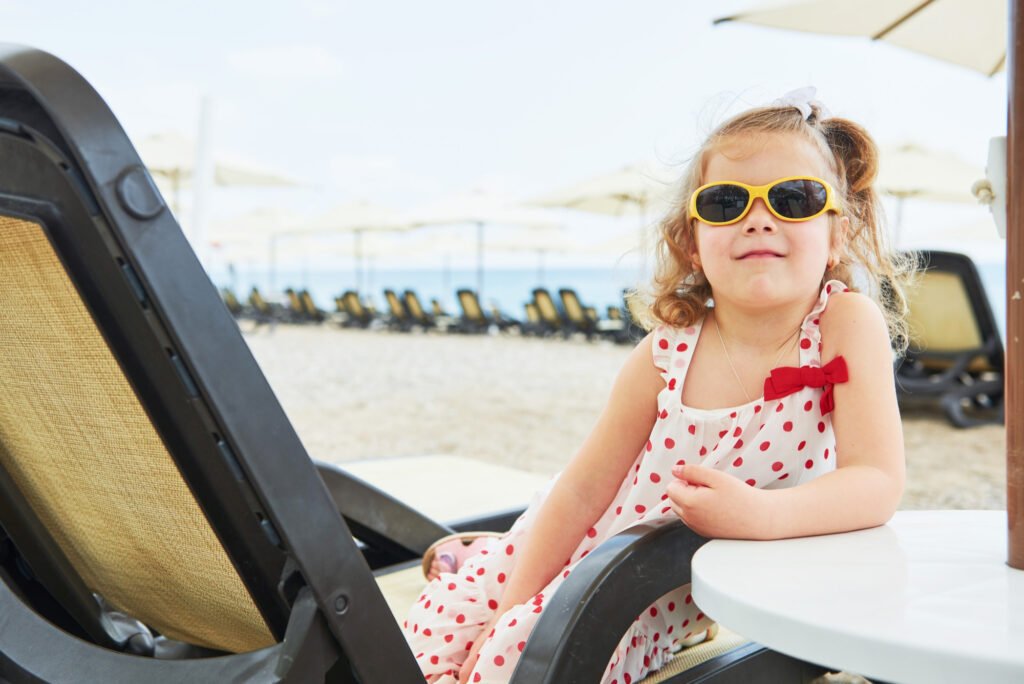
Road trips can be fun and memorable with a little planning to help your child stay well rested.
Holiday naps often won’t look like home naps.
Some may happen:
- In the pram
- In the car
- In a baby carrier
- During sightseeing
- While visiting family
And that’s perfectly okay.
A few days of flexible naps rarely create long-term sleep problems.
Instead of aiming for perfection, try to ensure your child still gets enough overall sleep across the day. By following these travelling with children and sleep strategies, families can enjoy holidays without worrying about losing their routines.
Remember, holidays are temporary. Your usual routine can gently return once you’re back home.
Every family is different, but travelling with children and sleep can become much easier with gentle preparation and realistic expectations.
For safe sleep advice, visit The Lullaby Trust.
Need personalised support with your child’s sleep before your next family holiday?
At Bluebell Sleep Consulting, I provide gentle, responsive and evidence-based sleep support tailored to your child’s unique needs. Whether you’re preparing for your first trip away or looking to rebuild healthy sleep routines after travelling, I’m here to help.
Book your free discovery call and let’s make sleep feel easier for your whole family.