As parents, we often assume that a tired child will simply fall asleep. Unfortunately, it is not always that straightforward. In fact, when babies and toddlers become overtired, they can find it much harder to settle, stay asleep, and get the restorative rest they need.
Understanding the signs your child is overtired can help you respond early and prevent bedtime battles, frequent night wakings, and short naps.
As a paediatric nurse, mum, and sleep consultant, I often support families who are surprised to learn that their child’s sleep struggles may be linked to overtiredness.
In this guide, we’ll explore the common signs of overtiredness, why it happens, and how you can help your child return to healthy sleep patterns.
Around one in four young children experience sleep difficulties at some point during early childhood, making sleep one of the most common concerns discussed with healthcare professionals.
Sleep problems are extremely common in childhood. Research suggests that 20 to 30% of infants and young children experience sleep difficulties, including bedtime resistance, frequent night waking and short naps. While many factors contribute to these challenges, overtiredness is often an overlooked piece of the puzzle. Good sleep is essential for healthy brain development, emotional regulation, learning, growth and family wellbeing.
Table of Contents
- What Does It Mean When a Child Is Overtired?
- Why Does Overtiredness Affect Sleep?
- Signs Your Baby Is Overtired
- Signs Your Toddler Is Overtired
- Signs Your Preschooler Is Overtired
- What Causes Overtiredness?
- How to Prevent Overtiredness
- How to Help an Overtired Child Sleep Better
- When to Seek Professional Support
- Final Thoughts
What Does It Mean When a Child Is Overtired?
A child becomes overtired when they stay awake beyond the amount of time their body can comfortably manage. Instead of becoming sleepier, their body begins releasing stress hormones such as cortisol and adrenaline.
These hormones make it harder for children to relax and fall asleep. This is why many overtired children appear energetic, restless, or even hyperactive when they are actually exhausted.
Overtiredness can affect babies, toddlers, and preschoolers of all ages.
Research shows that when children stay awake beyond their natural sleep window, the body activates its stress response by increasing the release of cortisol and adrenaline. These hormones help keep us alert, but when they rise close to bedtime they can make it much harder for children to fall asleep and stay asleep, even though they are physically exhausted.
Why Does Overtiredness Affect Sleep?
Many parents notice a frustrating cycle:
- Child misses sleep.
- Child becomes overtired.
- Child struggles to fall asleep.
- Child wakes more frequently.
- Child becomes even more overtired.
When a child is overtired, their nervous system becomes more alert. This increased alertness can lead to:
- Longer bedtime struggles
- Frequent night wakings
- Early morning waking
- Short naps
- Increased fussiness
- Difficulty settling independently
Recognising the signs your child is overtired early can help prevent this cycle from developing.
During infancy, sleep is vital for healthy brain development. Scientists estimate that babies spend around 50% of their sleep in active (REM) sleep, compared with around 20 to 25% in adults. This stage of sleep plays an important role in brain development, memory formation and learning, highlighting why protecting sleep opportunities is so important during the early years.
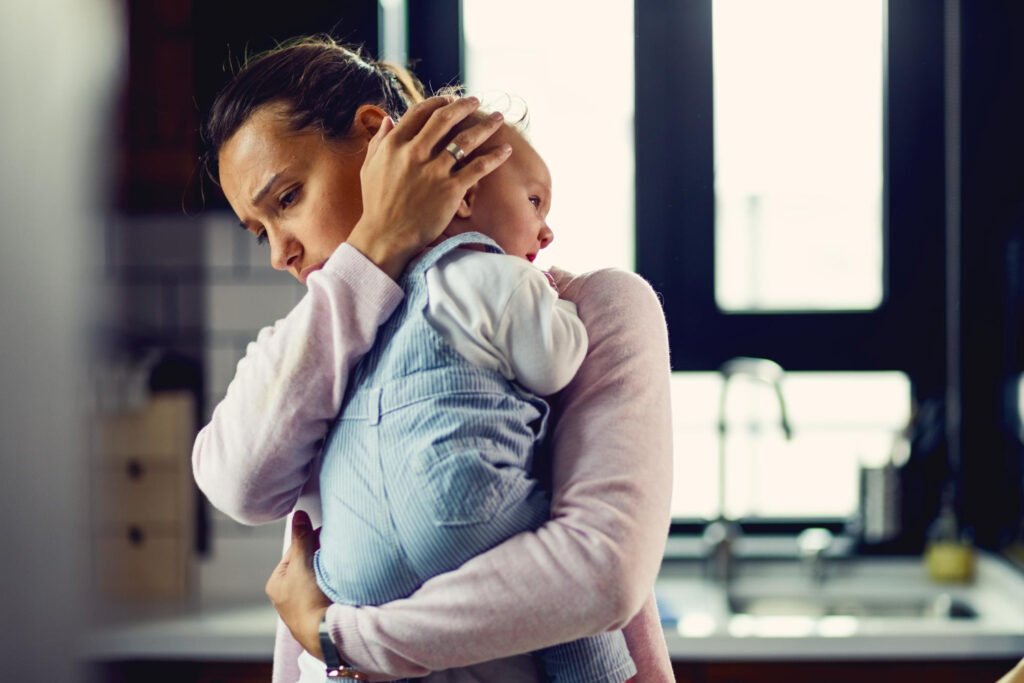
An overtired baby may become clingy, fussy and harder to settle to sleep.
Signs Your Baby Is Overtired
Babies often show subtle signs of tiredness before becoming overtired. If these early cues are missed, overtiredness can develop quickly.
Common signs your baby is overtired include:
Increased Fussiness
Your baby may seem unusually irritable and difficult to soothe.
Crying More Than Usual
Overtired babies often cry intensely and may resist comforting attempts.
Arching Their Back
Some babies arch their back, stiffen their body, or pull away during feeds when they are overtired.
Rubbing Eyes and Face
This is a classic sign of tiredness, although not all babies display it.
Clinginess
Your baby may want constant cuddles and become upset when put down.
Difficulty Falling Asleep
Ironically, overtired babies often take longer to settle than well-rested babies.
Short Naps
Naps may last only 20 to 40 minutes instead of progressing through a full sleep cycle.
Signs Your Toddler Is Overtired
Learn the common signs of an overtired baby, toddler or preschooler and how to improve sleep.
The signs your child is overtired often change as they grow.
Toddlers may not appear sleepy at all. Instead, they may become more active.
Hyperactivity
Running, jumping, climbing, and increased energy levels can actually signal exhaustion.
Bedtime Resistance
Your toddler may suddenly refuse bedtime, ask for repeated drinks, or find endless reasons to stay awake.
Increased Tantrums
Emotional regulation becomes much harder when a child is overtired.
Difficulty Concentrating
You may notice more frustration during play or everyday activities.
Frequent Night Wakings
An overtired toddler may wake more often overnight and struggle to resettle.
Early Morning Waking
Many overtired toddlers wake very early despite appearing tired during the day.
Increased Clinginess
Toddlers may seek extra reassurance and become more dependent on parents when overtired.
Many parents are surprised that hyperactivity can actually be a sign of tiredness. Research has found that children who do not get enough sleep may appear more active, impulsive or emotionally reactive rather than sleepy, particularly during the toddler and preschool years.
Signs Your Preschooler Is Overtired
Preschoolers can experience overtiredness too, particularly if they have dropped naps recently.
Signs may include:
- Mood swings
- Emotional outbursts
- Difficulty listening
- Increased anxiety
- Hyperactivity
- Trouble concentrating
- Frequent meltdowns
- Falling asleep in the car
Many parents are surprised to learn that behavioural difficulties can sometimes be linked to insufficient sleep.
What Causes Overtiredness?
There are many reasons a child may become overtired.
Inconsistent Sleep Schedules
Irregular bedtimes and wake times can disrupt your child’s natural body clock.
Skipped Naps
Missing naps often leads to overtiredness, particularly in younger children.
Developmental Milestones
Learning new skills such as crawling, walking, or talking can temporarily affect sleep.
Illness
Children often sleep differently when unwell, which can increase sleep debt.
Travel and Holidays
Changes in routine can easily lead to overtiredness.
Sleep Associations
If a child relies heavily on certain conditions to fall asleep, frequent night wakings can contribute to overtiredness over time.
The UK recommends that babies and young children have regular opportunities for sleep appropriate to their age. Missing naps or repeatedly staying awake beyond their natural wake window can gradually build what sleep researchers call sleep debt, making it increasingly difficult for children to settle and sleep well.
How to Prevent Overtiredness
Preventing overtiredness is often easier than recovering from it.
Watch for Early Sleep Cues
Look for signs such as:
- Yawning
- Reduced engagement
- Quietness
- Eye rubbing
- Loss of interest in play
Follow Age-Appropriate Sleep Needs
Every child is different, but understanding typical sleep requirements can help guide your expectations.
| Age | Recommended Total Sleep in 24 Hours |
|---|---|
| 0-3 months | 14-17 hours |
| 4-11 months | 12-16 hours (including naps) |
| 1-2 years | 11-14 hours |
| 3-5 years | 10-13 hours |
These recommendations come from the American Academy of Sleep Medicine and are widely used internationally to guide healthy sleep expectations. Every child is different, so these ranges should be viewed as a guide rather than a strict target.
Keep Bedtimes Consistent
A predictable bedtime supports healthy sleep rhythms.
Protect Naps
Naps remain important for many babies and toddlers, even when they occasionally resist them.
Create a Calm Bedtime Routine
A consistent bedtime routine signals to your child’s body that sleep is approaching.
Examples include:
- Bath
- Pyjamas
- Story
- Cuddle
- Bed
How to Help an Overtired Child Sleep Better
If your child is already overtired, don’t panic. It is possible to get sleep back on track.
Offer an Earlier Bedtime
An earlier bedtime for several days can help your child catch up on lost sleep.
Focus on Rest
Try to keep activities calm and manageable while your child recovers.
Maintain Consistency
Avoid making frequent changes to routines in response to a few difficult nights.
Respond to Your Child’s Needs
Overtired children often need additional reassurance and support.
Be Patient
It may take several days for sleep debt to improve, especially if overtiredness has been building for some time.
When to Seek Professional Support
If your child continues to struggle with:
- Frequent night wakings
- Early morning waking
- Bedtime battles
- Nap difficulties
- Sleep deprivation
despite consistent routines, professional support may help.
Every child is unique, and sleep challenges often have multiple contributing factors. A personalised approach can help identify what is driving your child’s sleep difficulties and create a plan that feels right for your family.
Final Thoughts
Recognising the signs your child is overtired can make a significant difference to their sleep and wellbeing.
Whether you have a baby who suddenly fights naps, a toddler experiencing bedtime battles, or a preschooler who seems constantly emotional, overtiredness may be playing a role.
By spotting the signs early, protecting sleep opportunities, and maintaining a consistent routine, you can help your child get the restorative sleep they need to thrive.
Sleep is not just about getting through the night. It supports your child’s growth, development, emotional wellbeing, learning, and overall health.
And remember, if sleep is feeling challenging, you don’t have to navigate it alone.
Research consistently shows that healthy sleep supports far more than simply feeling rested. Good sleep has been linked with improved learning, memory, emotional regulation, immune function, behaviour and physical growth. For parents, better sleep can also reduce stress and improve family wellbeing.
Ready for Better Sleep?
At Bluebell Sleep Consulting, I offer gentle, responsive sleep support for babies, toddlers and preschoolers, helping families achieve better sleep without using cry-it-out methods.
For safe sleep advice, visit The Lullaby Trust.
Book a free discovery call today and let’s create a personalised sleep plan for your child and family.
You may also enjoy reading my article about Free support for Babies, Toddlers & Preschoolers.
References
- American Academy of Sleep Medicine (2016). Recommended Amount of Sleep for Paediatric Populations.
- Buckley TM, Schatzberg AF. (2005). On the interactions of the hypothalamic-pituitary-adrenal (HPA) axis and sleep.
- Mindell JA, Kuhn B, Lewin DS, Meltzer LJ, Sadeh A. (2006). Behavioural treatment of bedtime problems and night wakings in infants and young children.
- Mindell JA et al. (2010). Cross-cultural differences in infant and toddler sleep.
- NHS. Better Health: Sleep for children.
- The Lullaby Trust. Safe sleep guidance.
- American Academy of Pediatrics. Healthy sleep recommendations.